

MindGrid Quest
MindGrid Quest is a fast-paced cognitive puzzle game designed to sharpen focus, memory, and reaction speed through structured level-based challenges. Built around simplicity and progressive difficulty, the game transforms quick thinking into an engaging daily brain-training ritual.
At the time of engagement, the product demonstrated promising install volume and strong first-session curiosity. However, retention dropped after early gameplay, difficulty transitions felt abrupt, and monetization elements were not fully integrated into the core engagement loop — limiting long-term scalability.
Objective
Our objective was to increase early retention, smooth difficulty progression, and strengthen replay motivation — transforming MindGrid Quest into a habit-forming cognitive challenge with scalable engagement mechanics.
Scope & Goals
The growth transformation focused on three key pillars:
* Improving onboarding clarity and first-session momentum
* Enhancing difficulty scaling across levels
* Optimizing monetization placement within the gameplay loop
Key goals included:
* Increasing session duration
* Improving progression from Easy to higher difficulty tiers
* Strengthening daily return behavior
* Enhancing perceived achievement and reward satisfaction
* Building a scalable engagement and live-ops framework
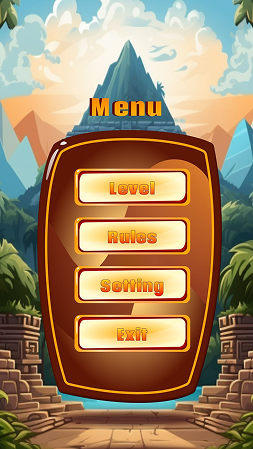
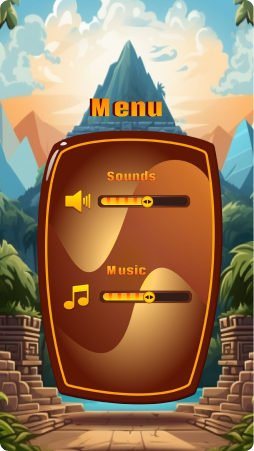
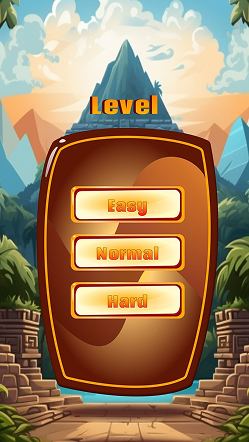
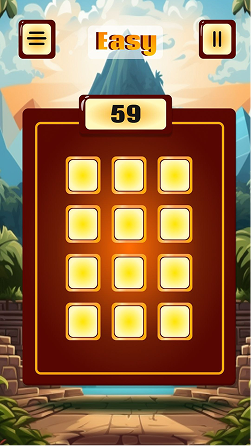
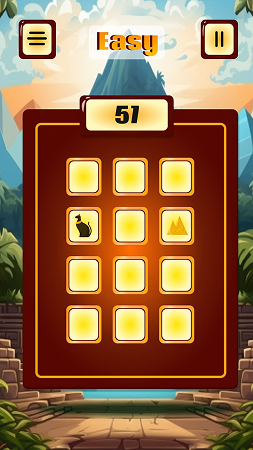
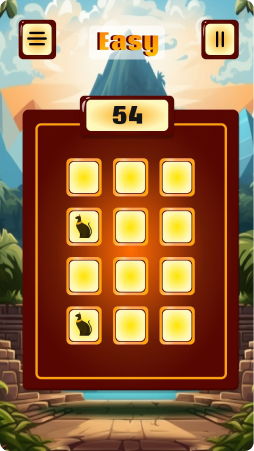
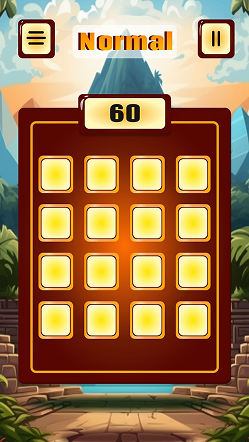
Ad creatives

Our process
The project was executed as a structured gameplay optimization — aligning cognitive challenge mechanics, feedback systems, and motivation triggers into one cohesive loop.
We began with behavioral analysis of early sessions, identifying drop-offs tied to unclear objectives and sudden difficulty spikes. While the core mechanic was intuitive, players lacked sufficient reinforcement to stay engaged beyond initial levels.
The onboarding flow was redesigned to guide players through interactive micro-instructions embedded directly into gameplay. Instead of passive rule screens, players learned through guided success moments that built confidence.
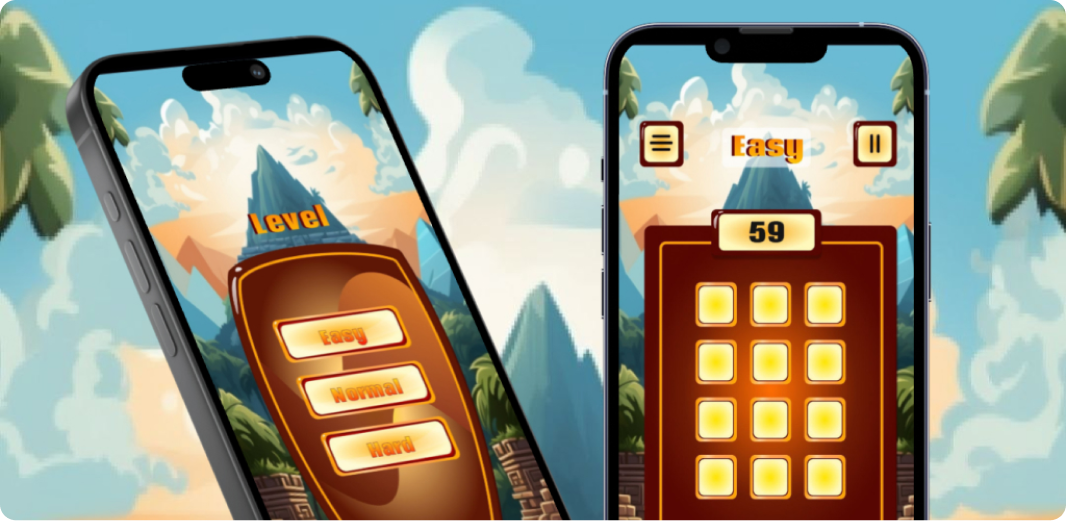
Difficulty pacing was recalibrated to create smoother transitions between Easy, Normal, and Hard tiers. Early victories were made more achievable, while later stages introduced layered complexity to sustain challenge without frustration.
Visual feedback and timer mechanics were refined to amplify intensity and satisfaction. Achievement cues, level completion animations, and progression milestones were strengthened to reinforce accomplishment.
Monetization elements such as hints, time extensions, and difficulty unlocks were repositioned around high-tension moments, ensuring they felt supportive rather than intrusive. Iterative testing validated balance between engagement and revenue performance.
The result was a streamlined cognitive challenge system designed for repeat play and sustained progression.
Results & impact
Following implementation, MindGrid Quest demonstrated stronger early retention and more consistent progression across difficulty levels. Players engaged deeper into sessions as clarity and pacing improved.
Session depth increased due to enhanced feedback loops and clearer milestone visibility. Monetization performance strengthened as in-game offers aligned naturally with moments of challenge.
Most importantly, MindGrid Quest evolved from a simple casual puzzle into a structured brain-training experience — establishing a scalable foundation for daily engagement, new level expansion, and long-term growth.
The game is now positioned not just as a quick reflex test, but as a progressive cognitive challenge built for sustained momentum.